• Home
  • Tours
  • Events
  • Contact Info & Directions
  • Bryn Athyn Cathedral
  • Cairnwood Estate
  • Glencairn Museum
image

Bryn Athyn Cathedral

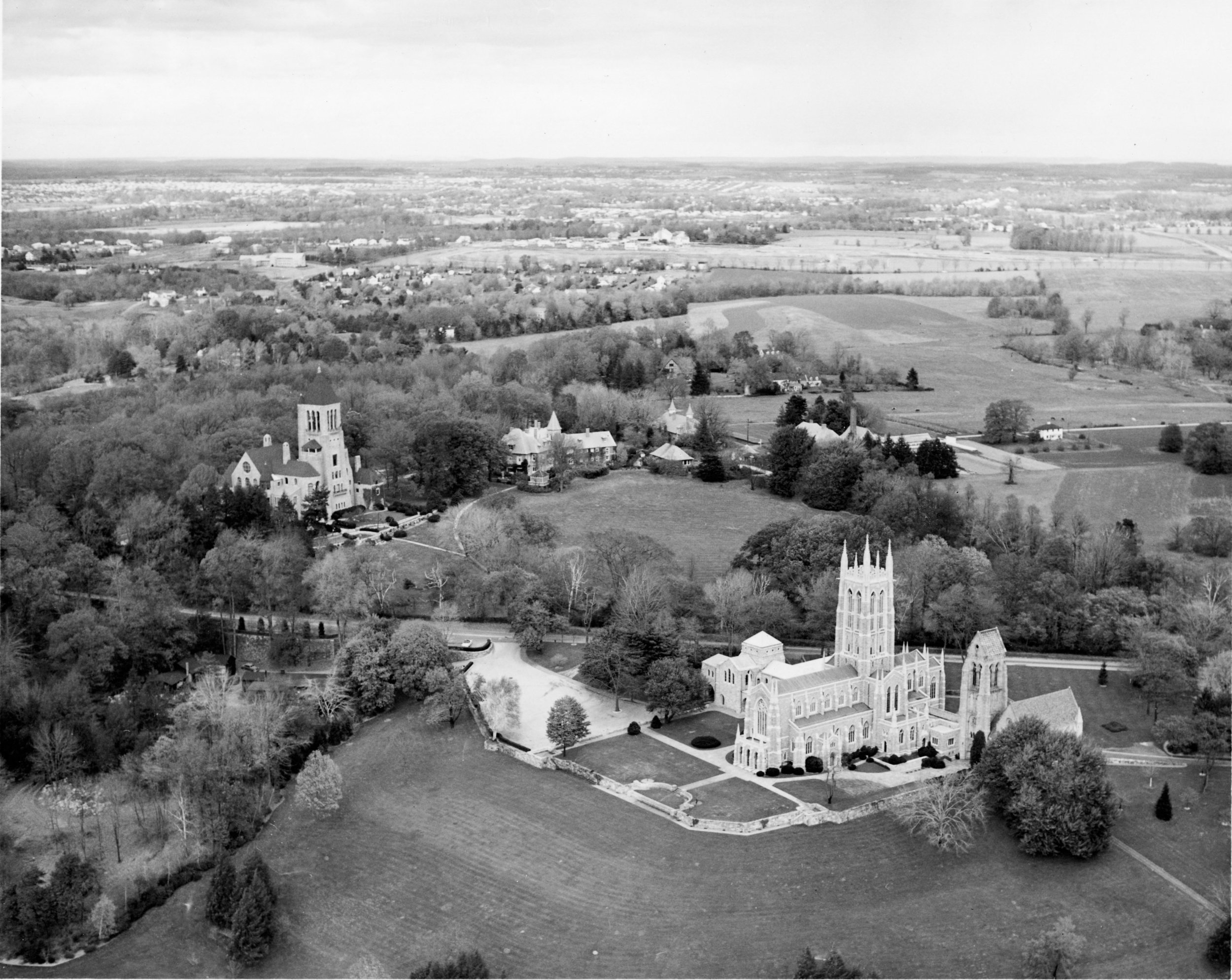
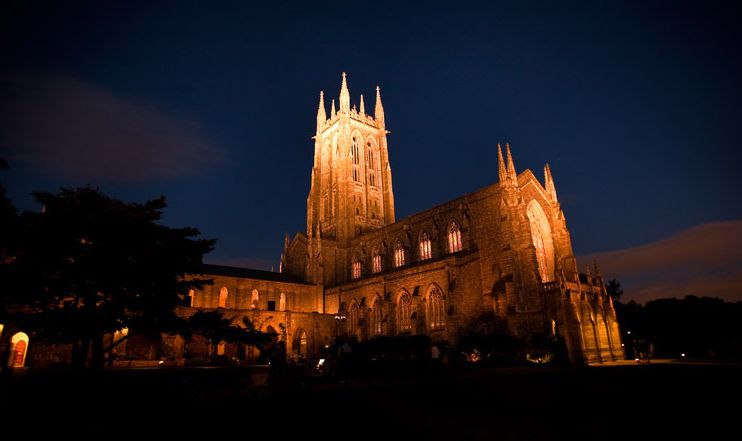
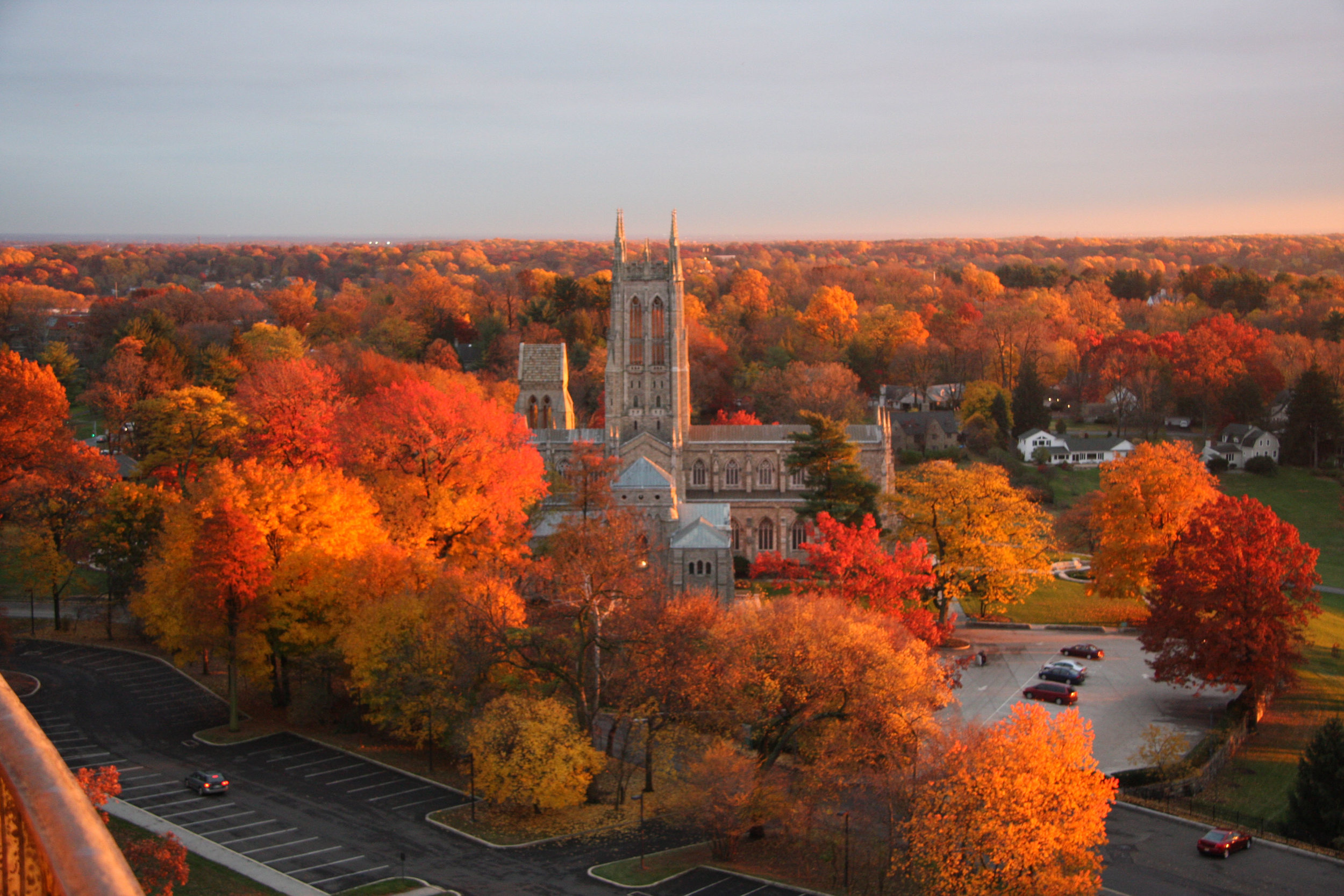
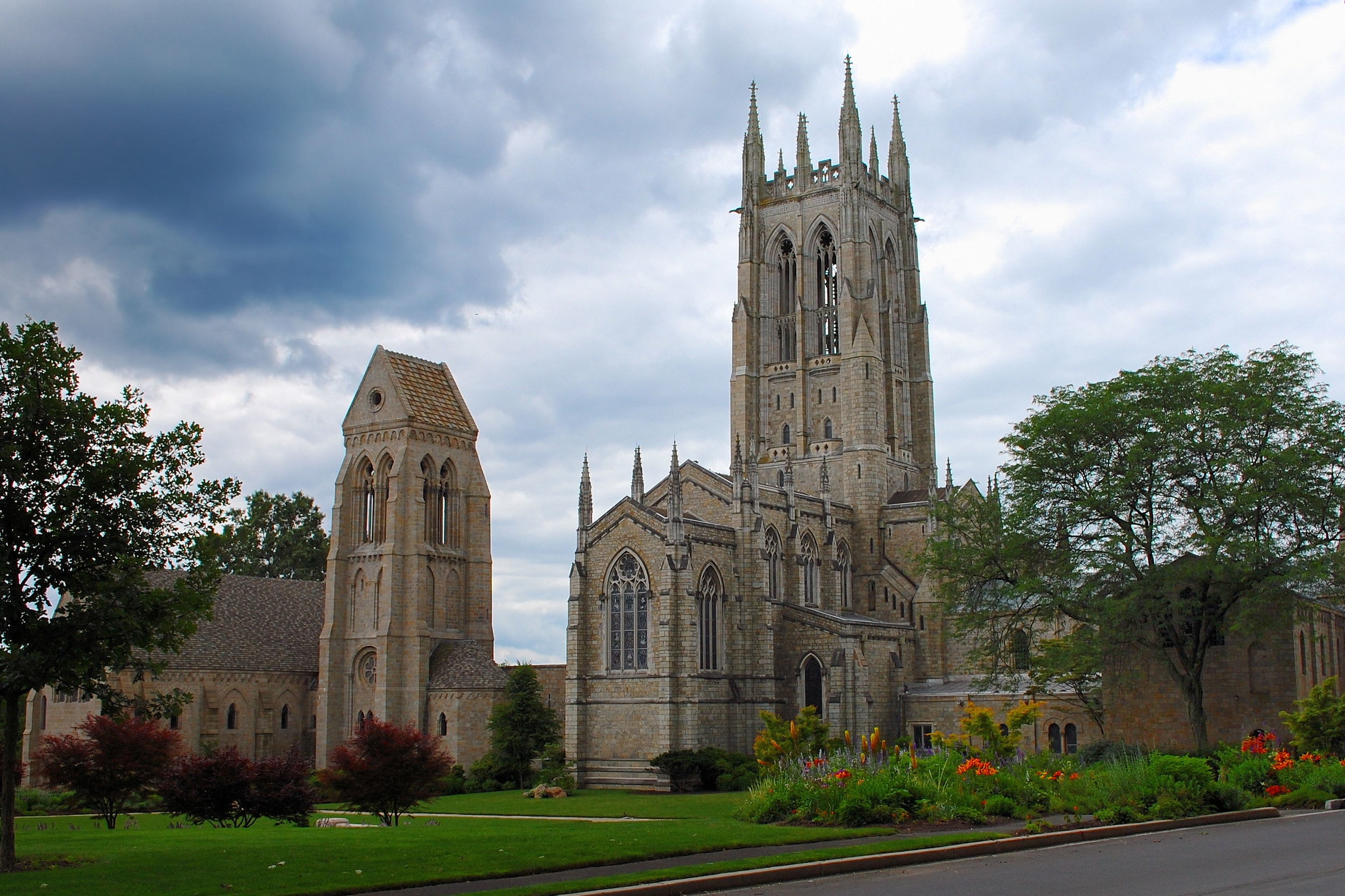
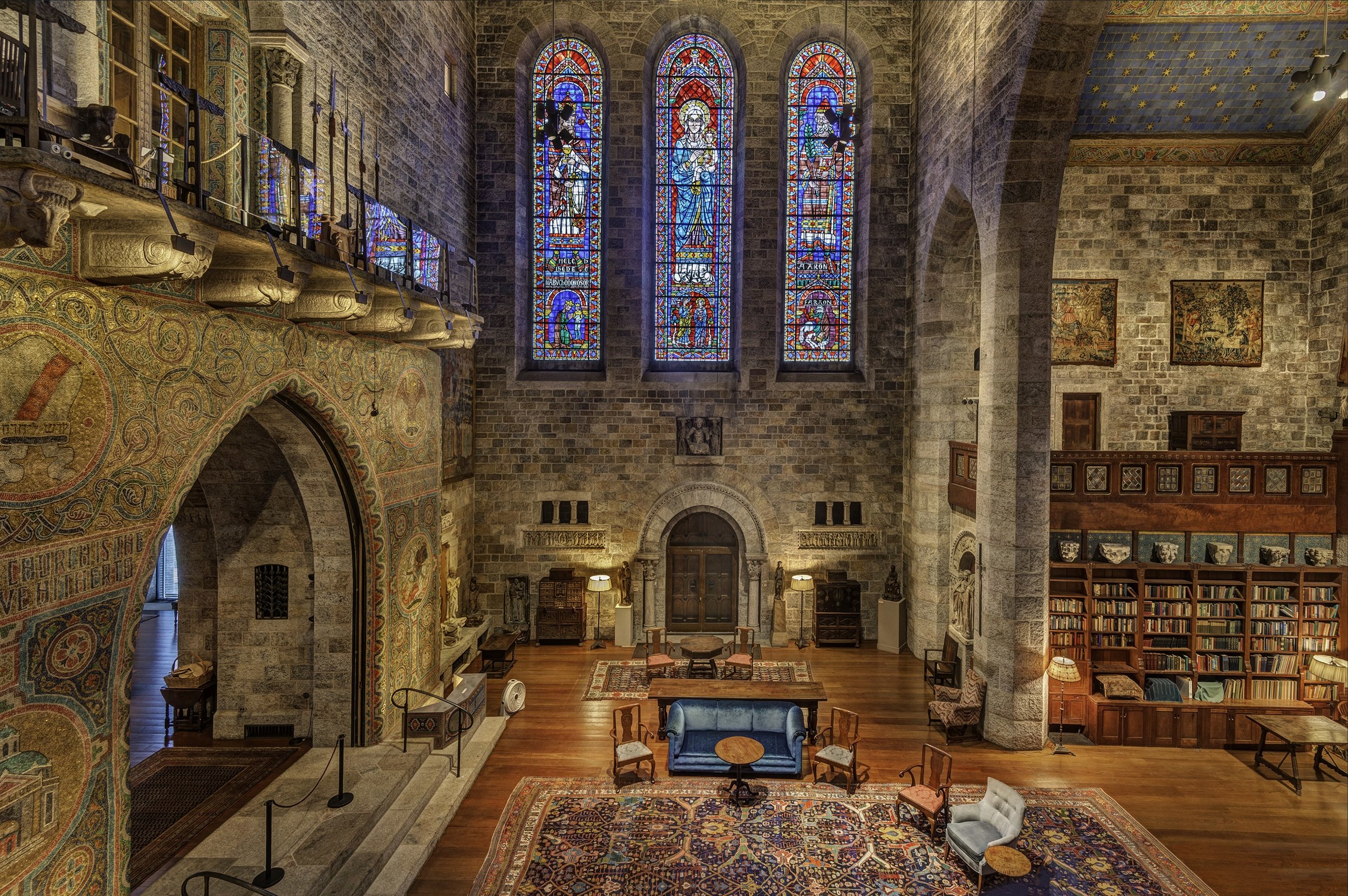
Bryn Athyn Cathedral, dedicated in 1919, is a highly acclaimed Gothic and Romanesque style complex. The decorative aspects of the Cathedral are governed by a distinctive symbolism based on the teachings of the New Church, an international Christian Faith.

For more information:
900 Cathedral Road | PO Box 277C
Bryn Athyn, PA 19009 USA
(215) 947-0266 | admin@bacathedral.org
www.brynathyncathedral.org
Historic District gallery Historic District gallery

About Bryn Athyn Cathedral

Construction on Bryn Athyn Cathedral began in 1913, and in 1919 the sanctuary was dedicated for worship.

The planning of the Cathedral began under the direction of William Fredrick Pendleton, Bishop of the General Church of the New Jerusalem (also known as the New Church) and John Pitcairn, president of the Pittsburgh Plate Glass Company (now PPG Industries). John Pitcairn was the major benefactor for the project; he donated the property and much of the funds to construct the Cathedral. The initial design was done under the direction of Boston architect, Ralph Adams Cram.

Raymond Pitcairn, John Pitcairn’s son, became involved with the project and worked with the Boston firm of Ralph Adams Cram that laid out the initial design for the building. Raymond Pitcairn realized that the workers and artisans working on the cathedral should be directly employed by the church and that creative changes by artists and builders working together that inevitably happen during the design process should be nurtured rather than thwarted. This led to some unorthodox construction practices.

Rather than relying on blueprints and plans, almost every aspect of the design was made into scale models where Mr. Pitcairn and the workers could study, review and embellish their ideas before actually constructing them. A studio was established for architectural design, as were shops for stone and metal work, woodcarving, stained glass, and the building of plaster models.

Another aspect of the cathedral which is unusual is that asymmetries and irregularities were planned into the building as it was built. In Bryn Athyn Cathedral there are no right angles or straight lines. The walls of the building are skewed against each other, bowing out in the middle only to return at the opposite wall.

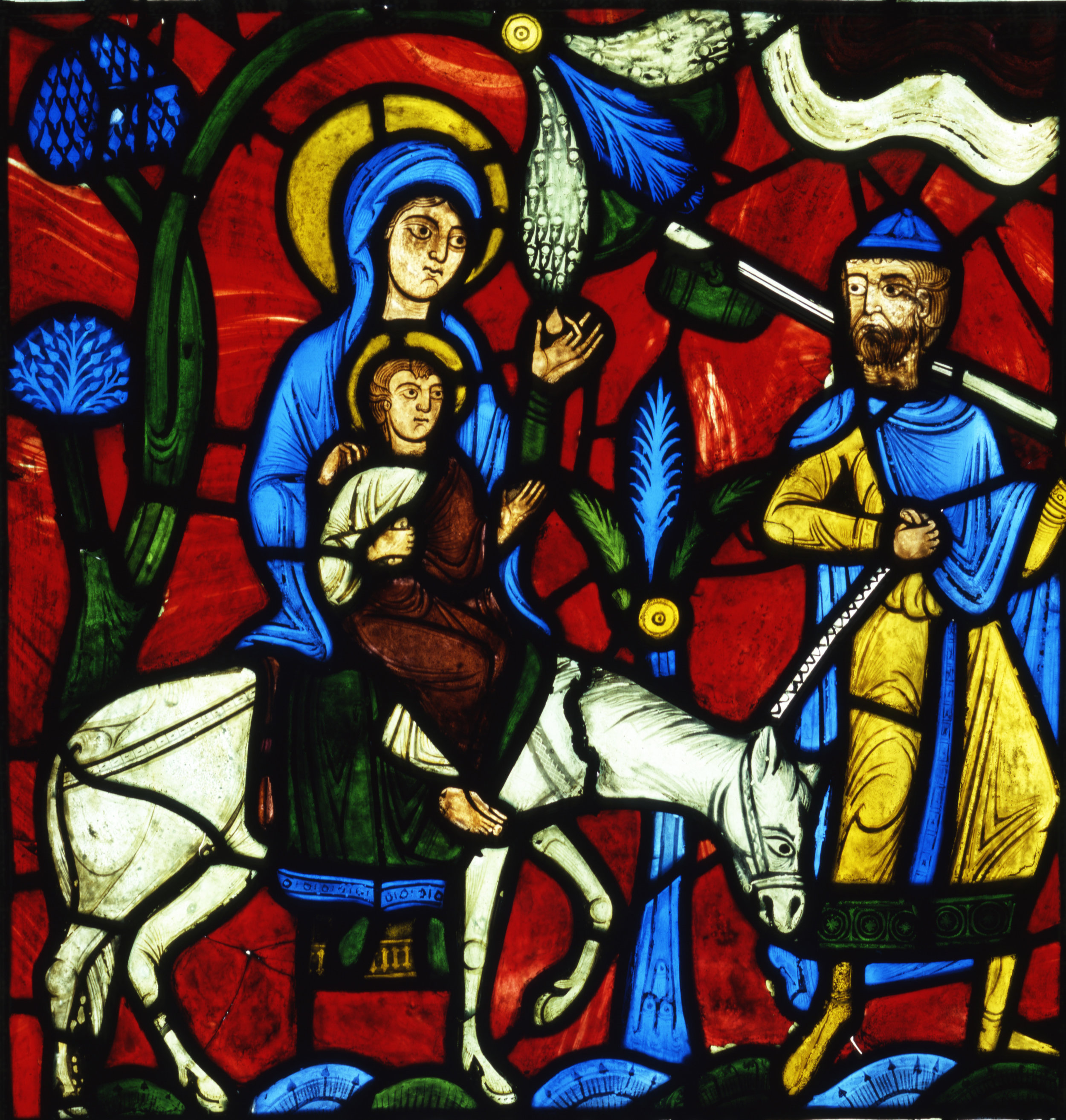
The stained glass windows of Bryn Athyn Cathedral were created using the medieval method—melting various pigment and metallic oxides into the glass itself and then having a glass blower create a disc of glass with varying degrees of thickness and brightness. The first glass for the Cathedral was blown in 1922 and the last created in the 1940s, though construction on the windows themselves continued until the 1960s.

The windows are essentially of three designs: biblical figures represented in monumental scale, medallions depicting events either in the life of Christ or the old testament prophets, and grisaille windows of geometric design and pearl-like translucency which fill the cathedral with light. Most of the metal in the cathedral is Monel metal, a naturally occurring alloy.

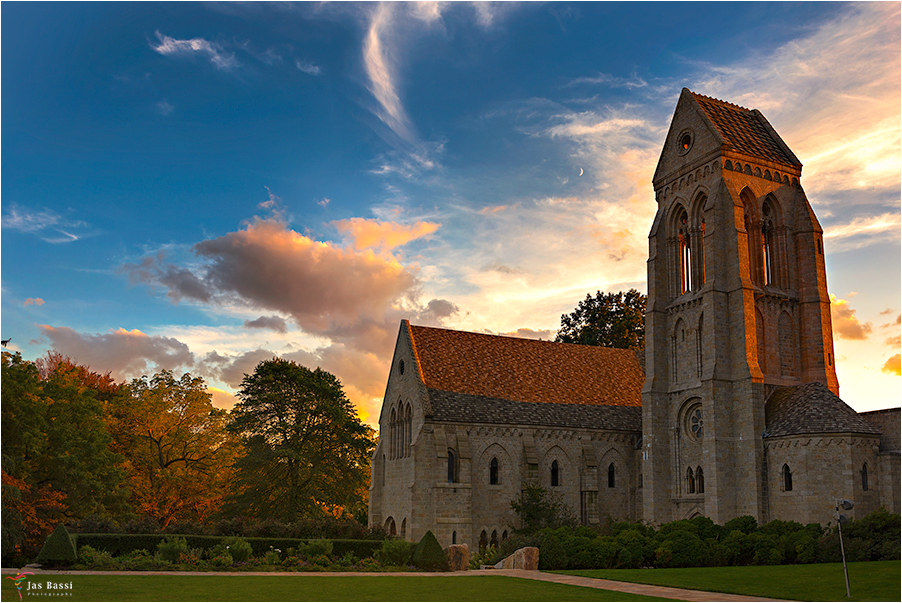
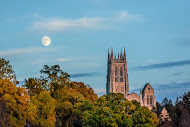
The Ezekiel Tower, located south of the main cathedral, was built between the years 1920-1926. The Choir Hall and Michael Tower lie to the north of the main cathedral. This addition was completed in 1929 and even though this is the last completed portion of the complex, its architecture is from the earliest period.

© 2013 Bryn Athyn Historic District | Powered by WordPress | WyntonMagazine theme by Michael Oeser.
Log in | 9 queries. 0.133 seconds.